
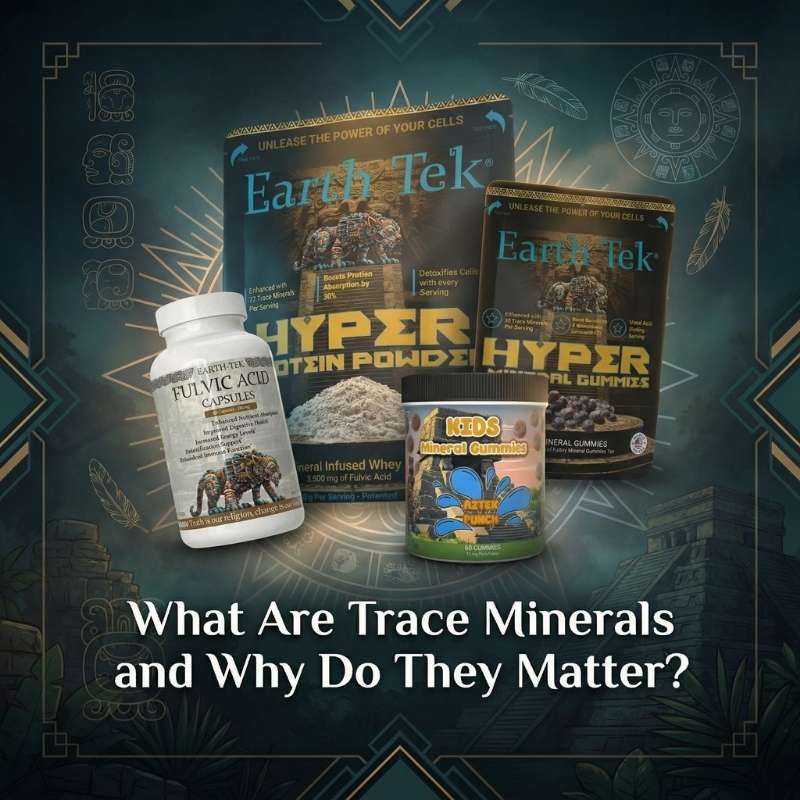
Trace minerals are essential nutrients that the body needs in small amounts to support normal biological processes. While required in much lower quantities than major minerals like calcium or magnesium, trace minerals play important roles in everyday cellular function.
Understanding what trace minerals are and why they matter can help you make more informed decisions about your wellness routine.
What Are Trace Minerals?
Trace minerals are naturally occurring elements found in soil, water, and plant life. Because modern diets and food sourcing practices vary, mineral intake can differ from person to person.
Common trace minerals include:
- Zinc
- Iron
- Copper
- Selenium
- Manganese
- Chromium
- Iodine
These elements are involved in enzyme activity, metabolic processes, and general mineral balance within the body.
Trace Minerals vs Major Minerals
Major minerals (such as calcium, potassium, and magnesium) are needed in larger amounts. Trace minerals are required in smaller quantities, but they are still essential for maintaining normal physiological function.
Even small imbalances in mineral intake can influence how efficiently the body performs routine processes.
Why Trace Minerals Matter
Trace minerals support many natural processes in the body, including:
- Enzyme activation
- Electrolyte balance
- Cellular energy processes
- Hydration balance
- Nutrient utilization
Because trace minerals interact with one another, balance is often emphasized over high dosing of a single element.
Where Do Trace Minerals Come From?
Trace minerals originate from the earth. Plants absorb minerals from soil, animals consume plants, and humans obtain minerals through diet.
Soil composition, agricultural practices, and food processing methods can all influence mineral content in modern diets.
Trace Minerals and Fulvic Acid
Fulvic acid is commonly included in mineral-based supplements because of its ability to bind with trace minerals. Some wellness routines include fulvic-based products as part of a broader mineral support approach.
You can learn more about fulvic acid here: What Is Fulvic Acid?
Who Might Consider Trace Mineral Support?
Individuals interested in supporting mineral balance as part of a healthy lifestyle may explore dietary sources or supplement options.
When considering any supplement, it is important to review ingredient transparency, sourcing standards, and laboratory testing practices.
Choosing a Quality Mineral Supplement
If you are evaluating trace mineral products, consider the following:
- Clear sourcing information
- Transparent ingredient labeling
- Laboratory testing standards
- Clean, simple formulations
Educational transparency and quality control practices can help consumers make informed decisions.
Explore Earth-Tek mineral products: Shop Earth-Tek Products
*This content is for informational purposes only and is not intended to diagnose, treat, cure, or prevent any disease.